
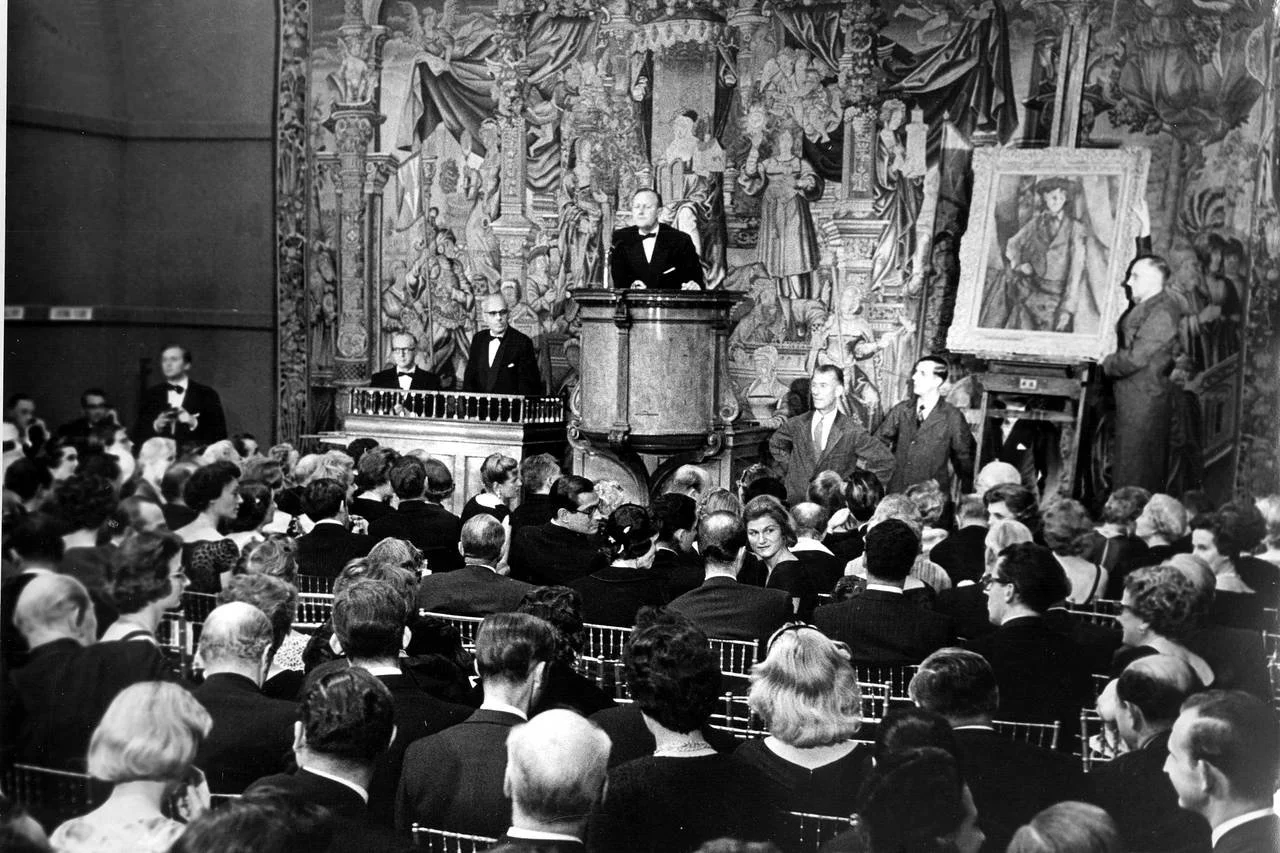
The Auction Stage: How Winning Became the New Luxury Currency
Image Courtesy of Sotheby’s
Record‑setting sales are no longer just about ownership. In the age of livestreamed lots and viral headlines, the act of winning itself has become a strategic lever for brand prestige and profit.
From the Birkin Prototype to Bidding Wars: Why Possession is Now Performance
Once, auctions were hushed affairs — the preserve of dealers, collectors, and insiders. Today, they are theatres of ambition. The room, the livestream, and the social feed have become stages where brands and buyers perform intent as much as they purchase objects.
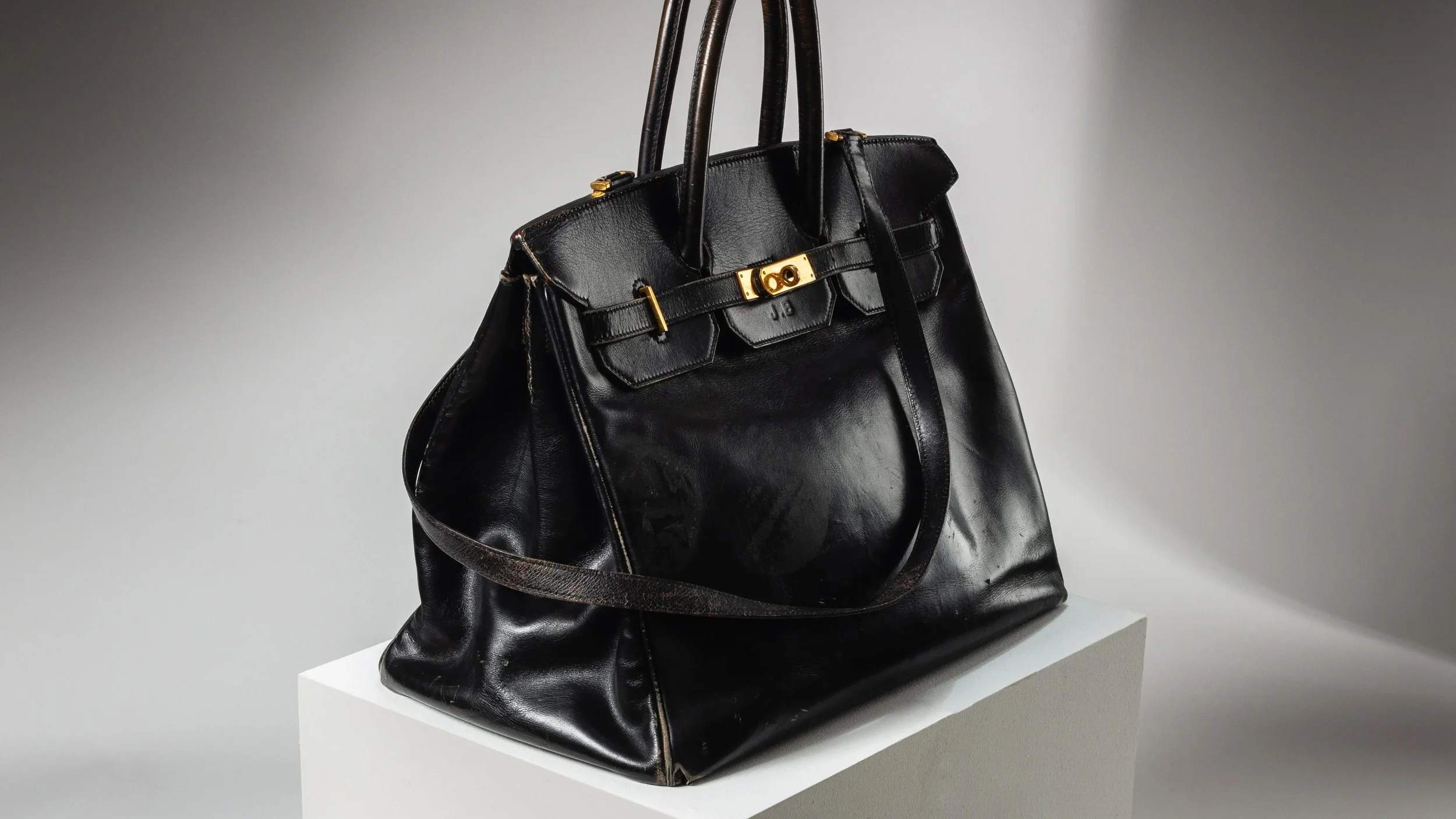
In July 2025, Jane Birkin’s original Hermès Birkin prototype sold at Sotheby’s Paris for a record €8.6 million ($10.1 million). The winning bidder, Shinsuke Sakimoto — CEO of Japan’s luxury resale powerhouse Valuence Holdings — positioned the acquisition not as a private indulgence but as a calculated corporate asset.
It wasn’t simply about owning a coveted object; it was about owning a moment where possession itself is performance.
Sakimoto’s approach was openly tactical. He instructed his proxy to respond to rival bids within seconds to inflict what he called “psychological damage” on his opponents. The bag, he declared afterwards, would never be resold. Instead, it will tour, be exhibited, and serve as a company talisman in Valuence’s campaign for “circular luxury.” In his own projections, the win’s halo effect will generate an eight‑figure return in advertising value over the next decade.
Here, the acquisition is marketing spend — the object transformed into a physical embodiment of brand identity. In this model, the auction is less about the hammer price and more about the headlines, the photographs, and the cultural authority conferred by having won.Beyond mere visual representations of consumer culture, Ruscha's artworks delve deep, offering profound insights into the intricacies of our modern society. His ability to encapsulate complex ideas within a seemingly simple visual language cements his legacy as an enduring icon in the art world.
In today’s auction market, three distinct models set the pace: one that treats the sale as pure PR theatre, one that views it as a resale engine, and a fast‑emerging hybrid that fuses the two into a single, high‑impact strategy.

The Original Birkin Bag sold for €8.6 million in July 2025

Jane Birkin with her iconic bag
Auction as PR: The Theatre of the Win Where the Purchase Is the Product
Aggressive bidding as spectacle — Sakimoto’s rapid‑fire counters turned the sale into a psychological contest.
The bag as brand talisman — A travelling exhibition piece anchoring Valuence’s narrative of circular luxury.
ROI through exposure — Media value projected in the tens of millions; auction treated as marketing spend.
Cultural association — Aligning Valuence with the Birkin myth to cement its place in high‑end resale.
Auction for Resale: The Traditional Engine Trading Attention for Margin
Buy rare, sell dear — Hunting undervalued lots to remarket at premium prices.
Inventory replenishment — Scarcity in retail (Hermès, Patek Philippe, Rolex) pushes resellers into auction rooms.
Regional arbitrage — Buying where demand is weaker, selling where appetite — and prices — are stronger.

Reference 2499 'Second Series' | Retailed by Gobbi Milano. Sold $4.32m

Conceptual work created by Italian artist Maurizio Cattelan was sold at auction to Justin Sun for $6.2m
The Convergence: The first model trades in attention; the second in margin.
One is about owning the conversation; the other about owning the stock.
Increasingly, sophisticated players do both: a corporate buyer might hold a trophy piece for PR value, then release it years later at a premium. Likewise, a dealer’s high‑profile win can enhance their reputation, making it easier to move everyday inventory at favourable margins.
In both cases, the act of winning can be as valuable as — sometimes more valuable than — the object itself.
Market Outlook: Primary scarcity will keep feeding secondary‑market sourcing through auctions. Corporate entrants to the resale space will continue to use high‑visibility wins to accelerate brand authority. Digital storytelling — livestreamed sales, viral clips, press coverage — will amplify ROI, with narrative control becoming as valuable as the asset itself.
Strategic Takeaways: For resale businesses, identify culturally resonant auction opportunities that align with your brand’s narrative, not just your inventory needs. Treat record‑setting purchases as long‑term marketing assets. For luxury brands, partner with corporate buyers to keep trophy pieces in visible circulation, and track auction activity to gauge collector sentiment and scarcity trends.
Final Analysis: In today’s luxury economy, the most valuable thing in the auction room may no longer be the object itself — it’s the story of winning it. Whether flipped for profit or paraded as a corporate icon, the object becomes a proxy for prestige, a marketing device whose halo often outlives the news cycle.
In Part 2:
While handbags and watches dominate the resale conversation, the same dynamics are playing out — often at higher financial and cultural stakes — in the global art market. In Part 2, we’ll explore how auction houses, galleries, and collectors are deploying the theatre of the sale to reshape the art economy itself.
“In the modern luxury economy, the most valuable lot in the room isn’t the object — it’s the story of how you won it.”
Image Courtesy of Sotheby’s