
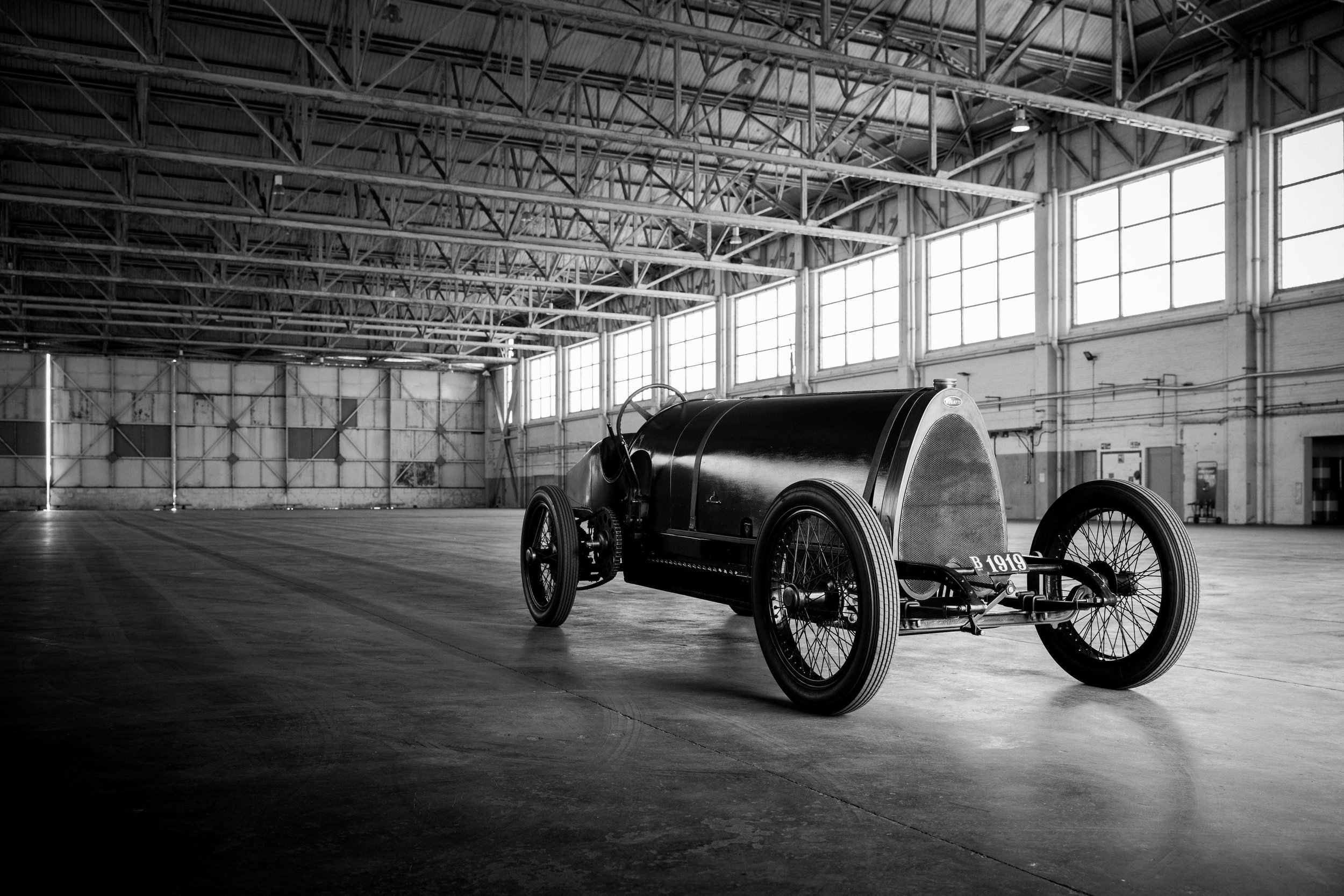
From Stirling Moss to Mahogany Boat Bars: The Quail Auction’s Slow Pursuit of Style
1919 Bugatti Avio 8C Chassis no. B1919 Estimate: US$700,000 - US$1,300,000
All Images Courtesy of Bonhams
At Monterey Car Week, Bonhams offers more than million-dollar motors—it offers a return ticket to an era when speed was measured in good manners.
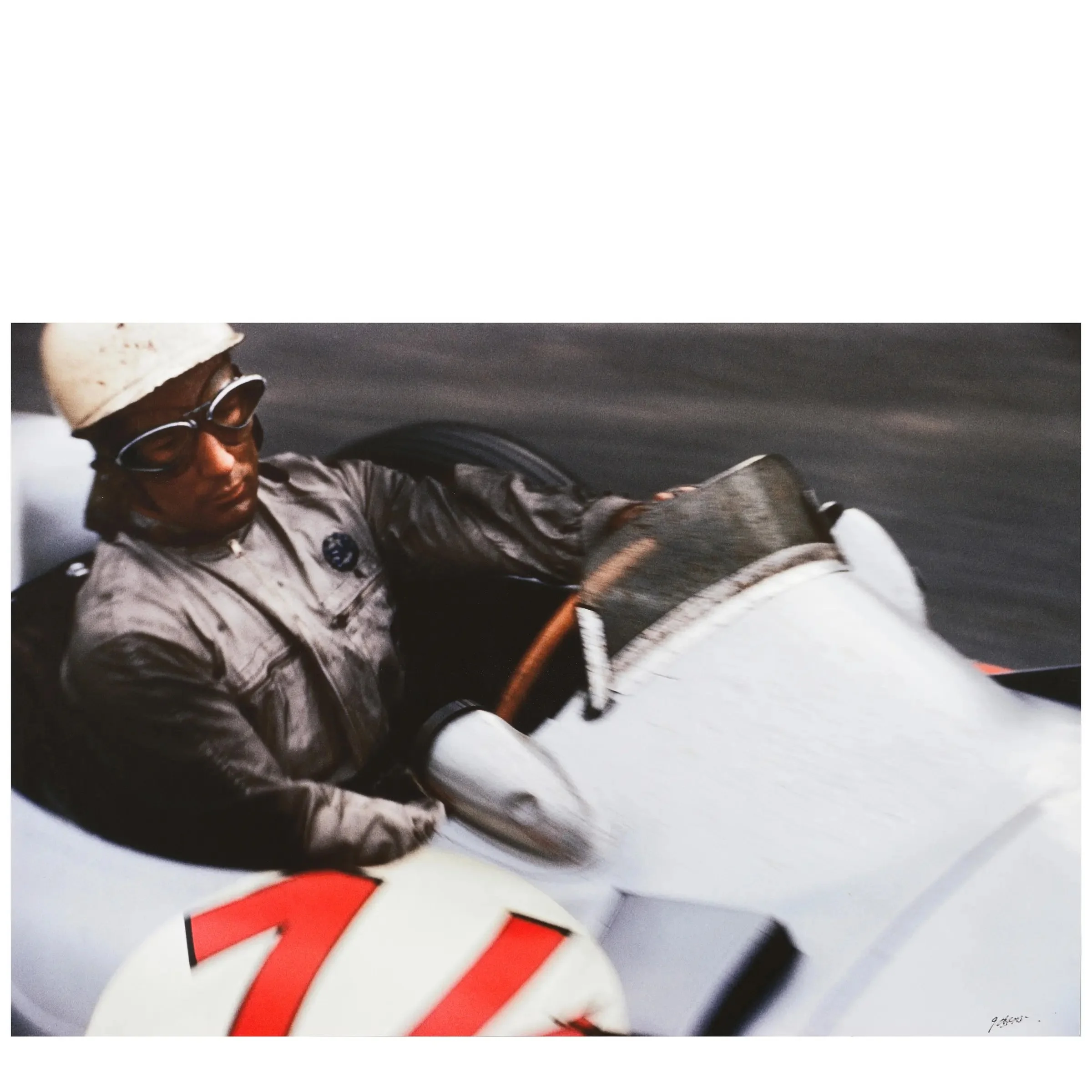
Jesse Alexander (1929-2021); Stirling Moss in Mercedes Benz W196, Grand Prix of Belgium, Francorchamps. Estimate $3000
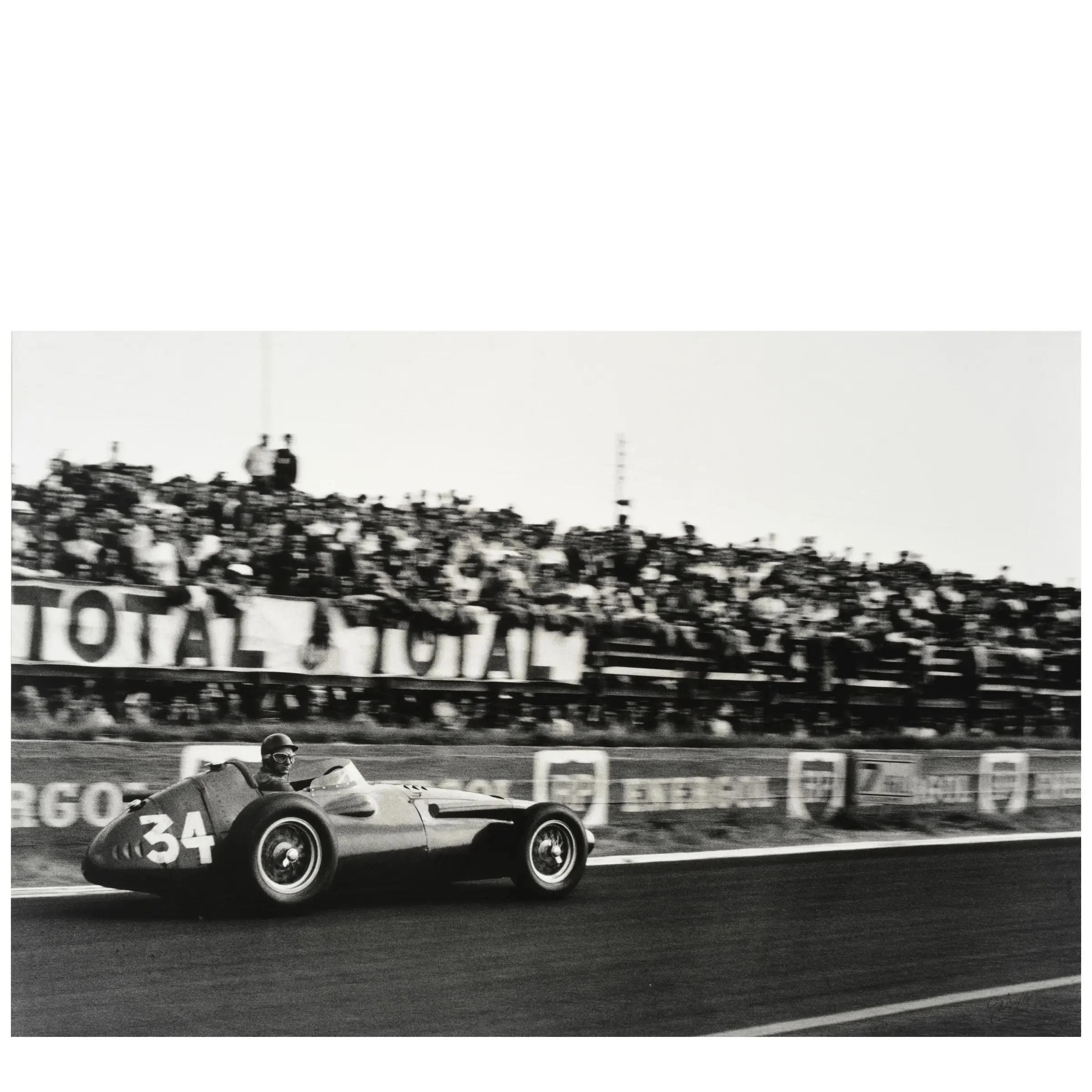
Jesse Alexander (1929-2021); Juan Manuel Fangio in Maserati 250F, Grand Prix of France, Reims. Estimate $3000
In a world that insists everything must be shiny, new, and electric—save perhaps our fragile planet—a gathering in Carmel-by-the-Sea proves that true distinction lies not in a culture drunk on its own software updates and algorithmic whims, but in the rarefied grace of things that dare to age beautifully—and with stories.
At Bonhams’ Quail Auction, part of the storied Monterey Car Week, each lot is less a commodity than a character from a genteel novel. Here, amid the hypnotic scent of polished chrome and million-dollar rubber, lie vestiges of a time when undertakings are genteel and gentlemen drivers prefer life in gentle motion.
Take Lot 1 as an example: a Mercedes-Benz W196, once driven by Stirling Moss—and immortalised by Jesse Alexander’s inimitable photography. Snap: the silver flame frozen on track at Spa-Francorchamps. The photograph doesn’t just show speed—it suggests a profound intimacy between man and machine, the gap between hero and car dissolving in the instant of the shutter. Moss and his W196 flirt with danger in a kind of elegant disdain, still racing laps in the mind’s rear-view mirror.
By delightful contrast, Lot 6 offers a four-person picnic-tea set of the 1920s. You can see tuxedos, cloche hats, wicker baskets and the faint crackle of a wind-up phonograph somewhere in the distance. Not quite rally-ready, but undeniably driven—in spirit, if not horsepower. Tea remains the original fuel of civilised speed today.
Lot 7 presents a matched set of fitted automobile luggage by Moynat of Paris. One imagines a grand tour, portmanteaus packed with scarves, riding breeches, fine cigars—and perhaps a well-thumbed volume of something improving, though more likely a bit of Wodehouse.These are not travel accessories; they are punctuation marks in an era that refuses to be rushed.
Drifting into view, Lot 14: a mahogany Chris-Craft boat bar, circa 1949. If James Bond orders a drink afloat, this is what he orders it from. Wooden decks gleam under a sun-polished finish; the undulating waves are the only engine you need. It isn’t about where you’re going—it’s about stopping, briefly and luxuriously, along the way.

A classic mahogany Chris-Craft boat bar, circa 1949. Estimate $80,000
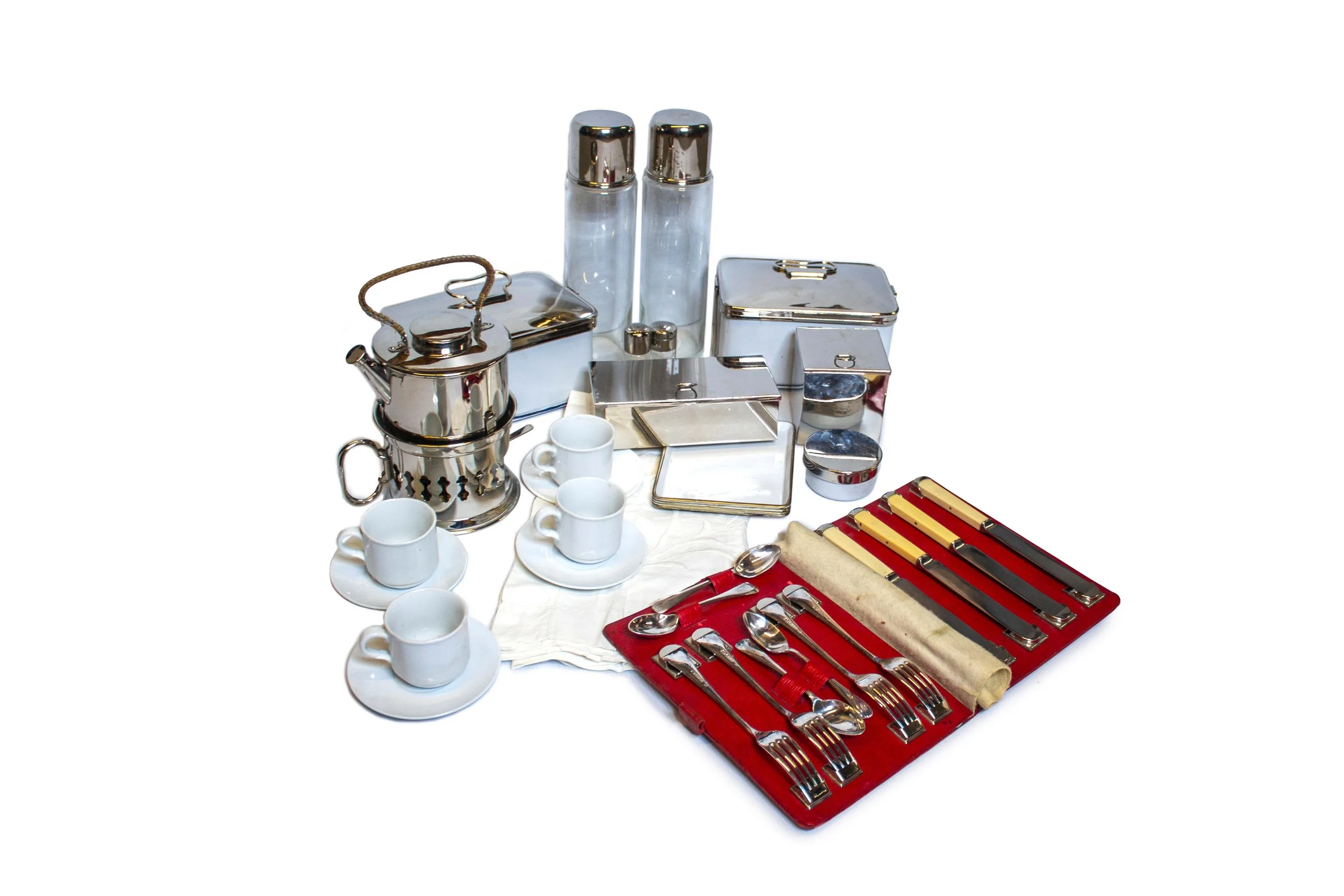
A four-person picnic tea-set by J.C.Vickery, 1920s. Estimate $2000
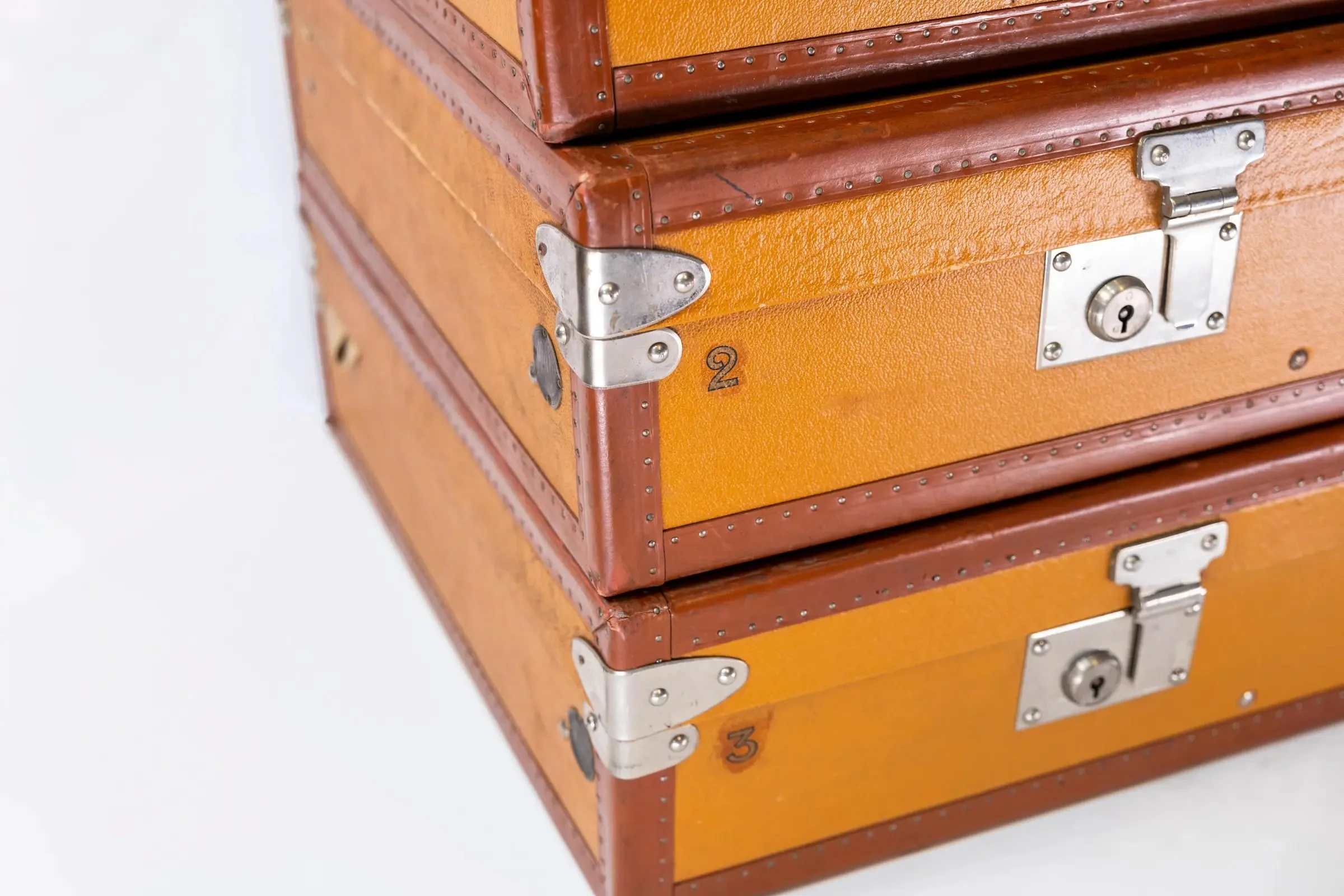
A matching set of fitted automobile luggage by Moynat of Paris. Estimate $8000

1932 Bentley Eight Liter Sports Tourer. Estimate $1,000,000
What ties this eclectic assembly together is not horsepower or rarity but a shared invitation: slow down. Admire. Remember that motoring—or indeed, the act of doing anything at all—is meant to be lived with style and thought.
In this present moment, “gentleman driver” means good manners and better brakes, but these objects don’t just recall refinement—they demand it. Being a gentleman isn’t about never getting dirty; it’s about doing so with calm, with flair, with intention.
To bid on these is not merely to own a thing—it is to inherit an ethos. The Mercedes whispers of daring speeds and graceful control; the picnic set murmurs leisure gilded with room to breathe; the luggage hums of journeys that are as much about what you carry—stories, souvenirs—as where you go; and the boat bar, all polished mahogany and gentle sway, invites an unhurried anchorage from life’s constant buzz.”
Yes—there are cars, too, of the sort that make eyes water and ledgers quiver. Take the Bugatti Divo, for instance—the first of its kind to appear at The Quail, offered at no reserve with fewer than 800 miles on the clock, estimated between $7 million and $9 million.
But, whatever the final hammer prices, they remind us: the real art lies in how we move through time, not how fast we try to outrun it.
15th August 10:00 PDT with Bonhams

“It’s not about how fast you go — it’s about how well you arrive, and how effortlessly good you look when you get there.”
All Images Courtesy of Bonhams